
What Stays
On small changes and what survives ordinary life

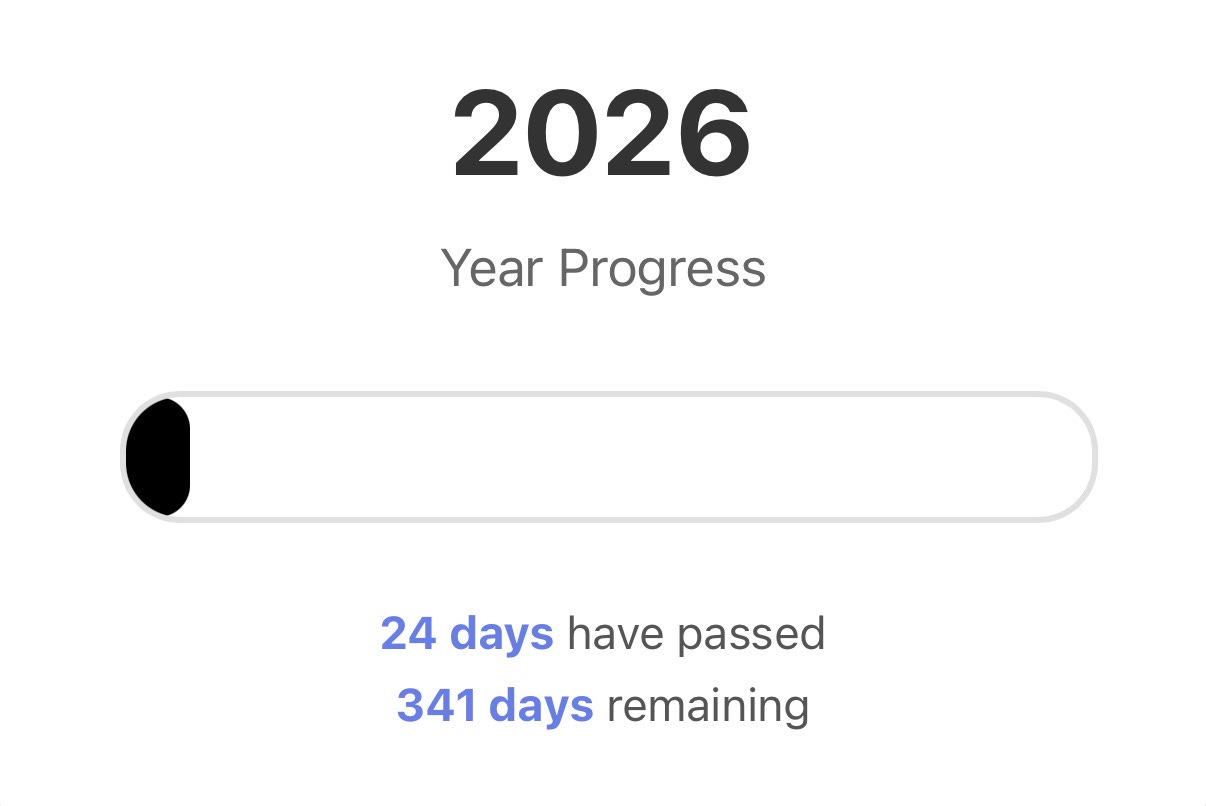
We’re about 6.58% of the way through 2026, which feels like a good moment to ask: How are your New Year resolutions holding up?
Every year begins the same way. A collective turn toward ideal versions of ourselves:
I want to be healthier. I need to be more disciplined. I’m going to be more consistent.
The well-intentioned lists go on. And most of them, if we’re honest, don’t make it past mid-January.
Because the kind of transformation resolutions ask for usually depends on a version of life that is uninterrupted, well-rested, and generous with time. That version rarely survives more than a day or two into the year. Kids are back in school. Someone gets sick. Schedules unravel. After-school logistics expand to fill whatever space they’re given.
Still, I understand the appeal. There’s something seductive about dramatic change. The idea that this could be the year everything shifts. That I might become someone meaningfully different from who I was in December.
The pull isn’t just optimism. It’s permission. Permission to want more. To imagine a clean break, a rupture where old patterns fall away without a fight.
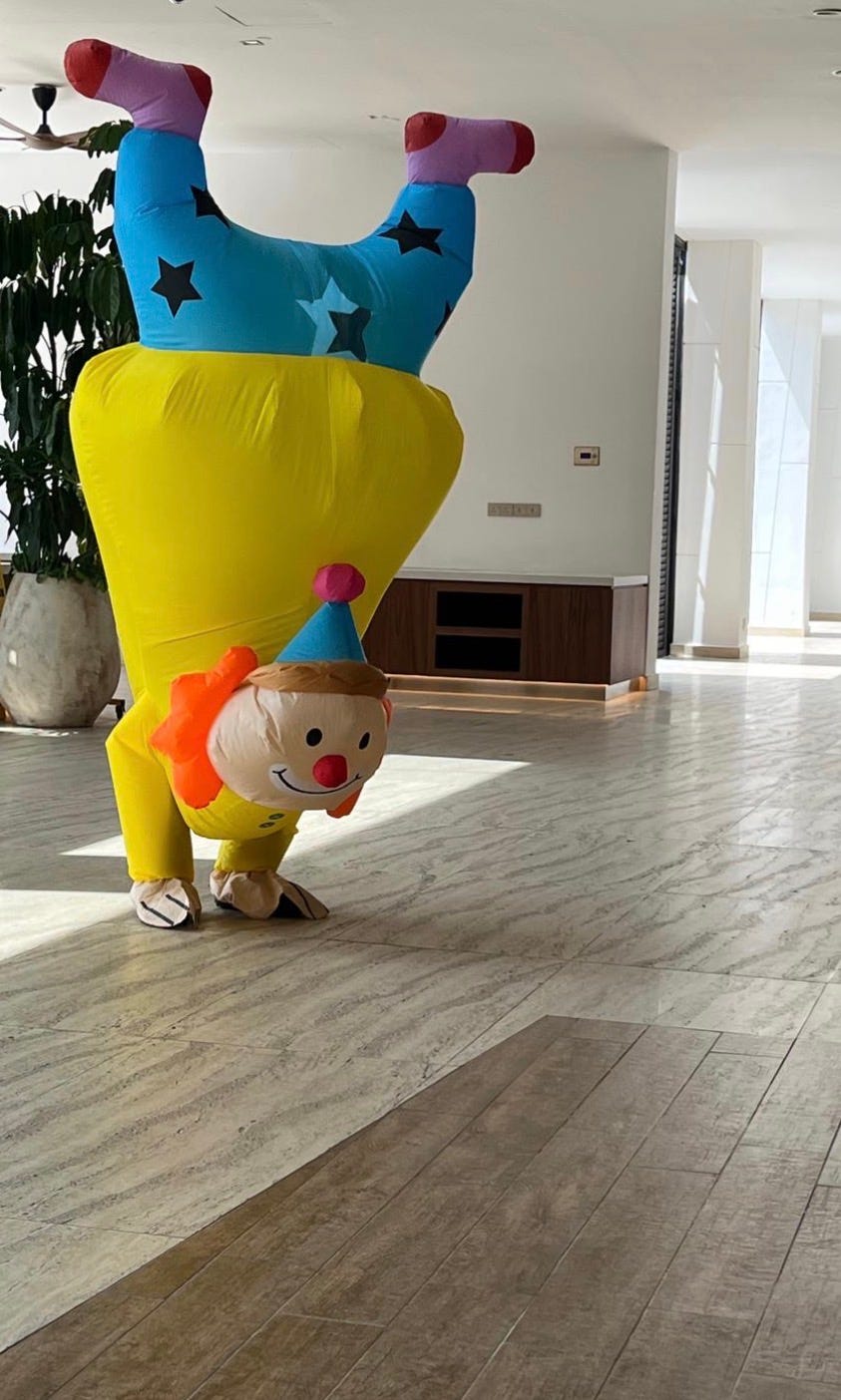
What tends to undo these resolutions isn’t a lack of motivation. It’s the size of the jump being asked of us.
The greater the distance between who we are and who we plan to become, the more fragile the change. When a habit requires me to overhaul my days, rearrange my energy, or push against existing rhythms, it turns into something I have to will into existence. And anything that relies on willpower alone is usually the first thing to disappear when life gets busy.
A few years ago, I read Atomic Habits. While many people frame it as a productivity book, to me, it sounded like a reminder to respect reality.
Small habits work because they survive ordinary days. One page instead of a chapter. One stretch instead of a workout. One walk around the block instead of a full routine. They don’t require belief in a future version of myself, instead, they fit into the person I already am.
And yet, there’s something unsatisfying about this. One page feels modest when what I’m really hungry for is transformation. While the old me would yearn to mark the year with intention, I’ve learnt over time that intention matters less than what I can repeat.
So I’ve come to think less about habits and more about systems. A habit asks whether I will do something. A system quietly shapes the day so that doing it requires less negotiation. It assumes there will be evenings when resolve runs thin, and it builds the path anyway. When life is already full of decisions, anything that requires persuasion doesn’t last. The internal debate alone is exhausting. Do I have time? Am I too tired? Should I start tomorrow instead? By the time I’ve decided, I’m already depleted.
In the past few months, I’ve been running a “competition” between ChatGPT and Claude tied to health and movement. I planned to return to strength training and cardio, and anticipating Foolittle’s impending start of preschool, I thought it’d be a good time to start the planning process.
My setup is simple. I uploaded my initial prompt and set some baselines with health data. After each workout, I upload my Garmin data. Heart rate. Recovery. Stress. Patterns over time. I then asked it to analyse it and make recommendations across the range of activities I was doing. The idea was that AI could see what I couldn’t always feel. When I might be overreaching. When rest would do more than another session.
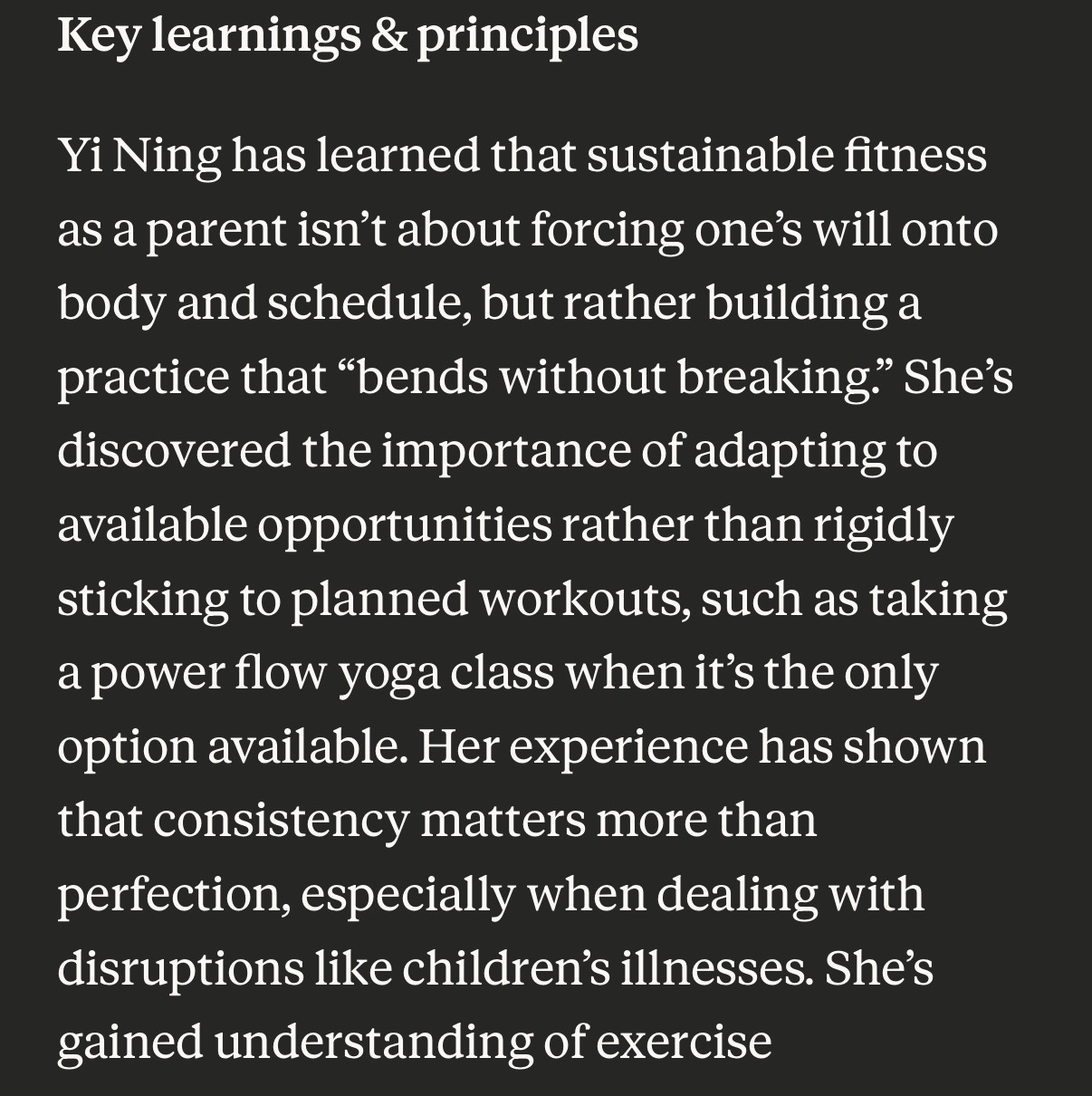
It’s important that I wasn’t expecting an ideal plan. I asked what this could look like inside the life I actually have now, including sick days and other unexpected bumps in life.
That distinction matters. I’m not trying to become someone new. I’m trying to return to parts of myself that still exist, but need different scaffolding — building something that could survive the current chaos.
Not long ago, this kind of analysis required time, expertise, or access that wasn’t always available. A trainer to interpret recovery metrics. A specialist to spot patterns. AI doesn’t replace that. I still check anything meaningful with real professionals. But it changes what’s accessible day to day, especially when time is scarce.
So the question I now ask of any change is simple: will it survive what life throws at it?
Will it hold after a poor night’s sleep?
On a day when nothing goes according to plan?
When no one is watching?
Life is too unpredictable for habits that only work when things are going well.
If there is a ritual I trust, it’s this. Choosing changes that don’t require a fresh start. Building systems I can live inside. Letting repetition, rather than resolve, do the work.
The year will unfold whether or not I make promises to it. What I’ve come to trust isn’t the vow made in January, but the one that still repeats day after day, month after month. The actions repeated in March, when everything else has fallen away.
What stays isn’t what I announced. It’s what I came back to, again and again, when no one was watching.